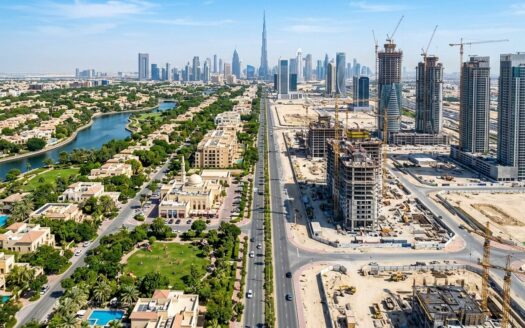

Dubai Property Investment Guide for International Investors
Dubai continues to rank among the top global destinations for real estate investment due to its strategic location, strong economic growth, investor-friendly policies, and tax advantages. This Dubai Property Investment Guide for International Investors provides essential insights into ownership structures, returns, legal requirements, and financing options to help investors make informed decisions.
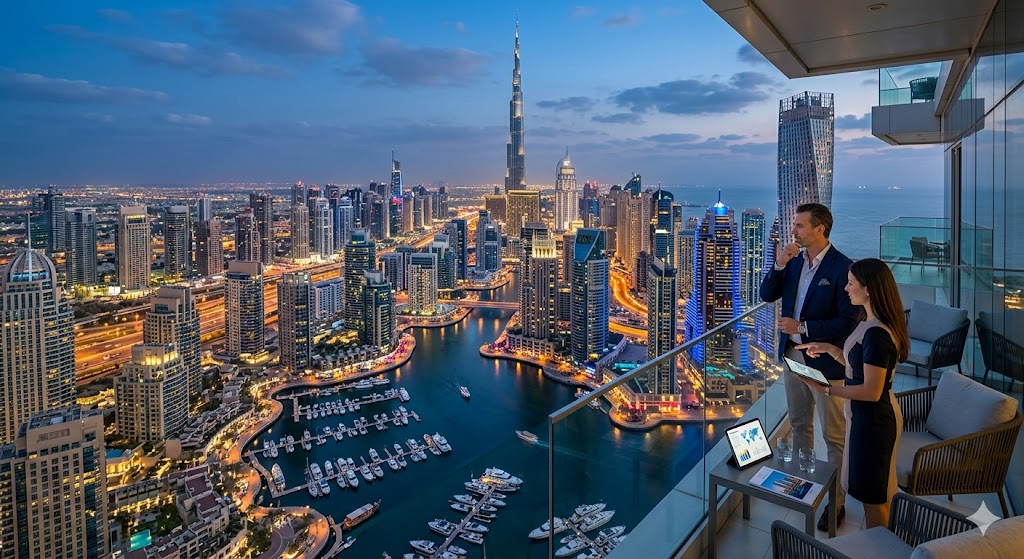
1. Freehold vs. Leasehold Properties
Understanding property ownership is one of the first steps before investing in Dubai.
• Freehold Ownership: Foreign investors can fully own both the property and the land in designated freehold areas. Popular investment locations include Dubai Marina, Downtown Dubai, Palm Jumeirah, and Jumeirah Village Circle. Freehold ownership allows full control over resale, leasing, and long-term asset appreciation.
• Leasehold Ownership: Investors own the property for a fixed period, usually up to 99 years, depending on the agreement. Leasehold properties are common in certain developments and may have restrictions on resale or financing that investors must carefully review.
2. Attractive ROI Opportunities
Dubai offers competitive rental yields compared to many global markets.
• High Rental Yields: Prime residential and waterfront communities often generate rental returns between 6% and 8% or higher, depending on location and property type.
• Capital Appreciation: Established communities and newly developed areas continue to experience steady demand, leading to long-term property value growth. Strategic location selection plays a key role in maximizing investment returns.
3. Legal & Regulatory Framework
Dubai has developed a transparent and secure real estate system to protect investors.
• Properties are registered through official government authorities with clear title deeds.
• No annual property tax and relatively low transaction fees make the market cost-effective.
• Investors should understand mortgage eligibility, visa opportunities linked to property investment, and developer regulations to ensure smooth transactions and compliance.
4. Market Trends & Demand
Market demand in Dubai is driven by infrastructure development and lifestyle growth.
• Communities with strong connectivity, schools, retail centers, and leisure facilities attract consistent tenants and buyers.
• Waterfront areas, city-center locations, and family-friendly developments remain highly popular.
• Monitoring market cycles, pricing trends, and supply-demand balance helps investors choose the right time and location to invest.
5. Financing & Payment Plans
Flexible payment structures make Dubai real estate accessible to international buyers.
• Banks typically finance up to 50%–70% of the property value for qualified international investors.
• Developers often offer attractive installment-based payment plans, especially for off-plan projects, reducing upfront financial pressure.
• Understanding interest rates, loan terms, and payment schedules is essential before committing to a purchase.
Conclusion
The Dubai Property Investment Guide for International Investors highlights why Dubai remains a secure and high-potential market for global buyers. With proper research and understanding of regulations from the Dubai Land Department https://dubailand.gov.ae and property laws under the Real Estate Regulatory Agency (RERA) https://dubailand.gov.ae/en/rera/, investors can make informed decisions.